How it started
From research to the field
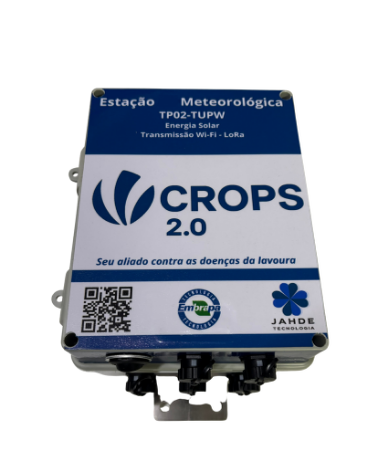
Crops emerged from a partnership between Jahde Tecnologia and Embrapa,
turning climate data into practical management information.
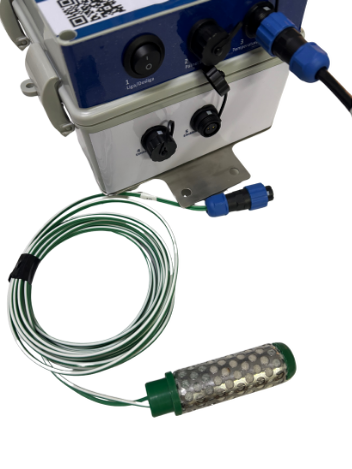
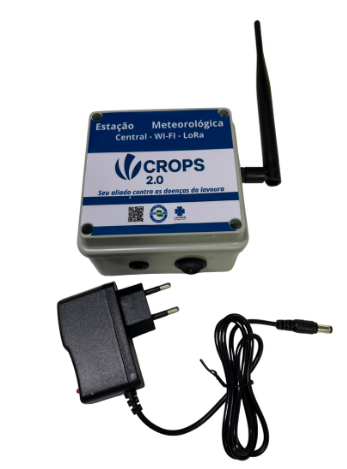
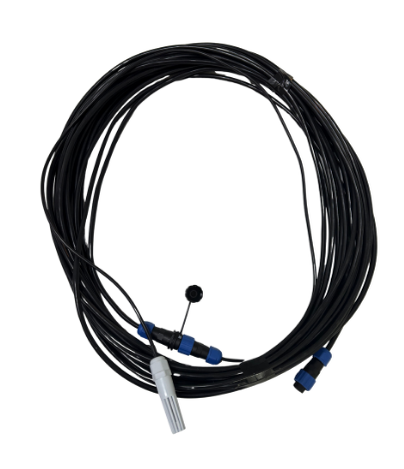
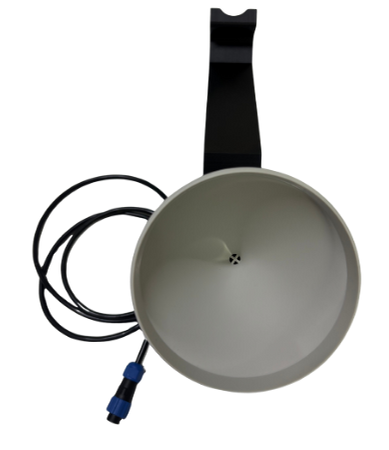
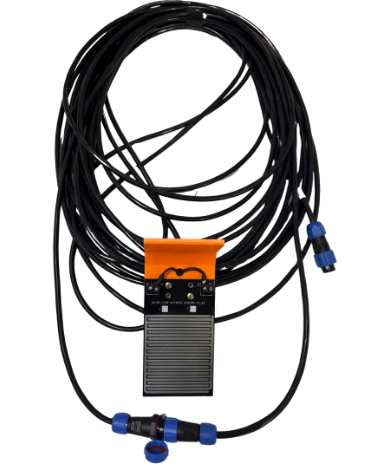
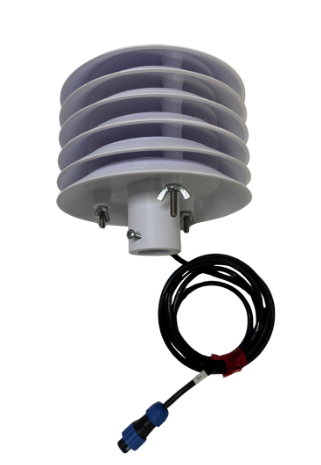
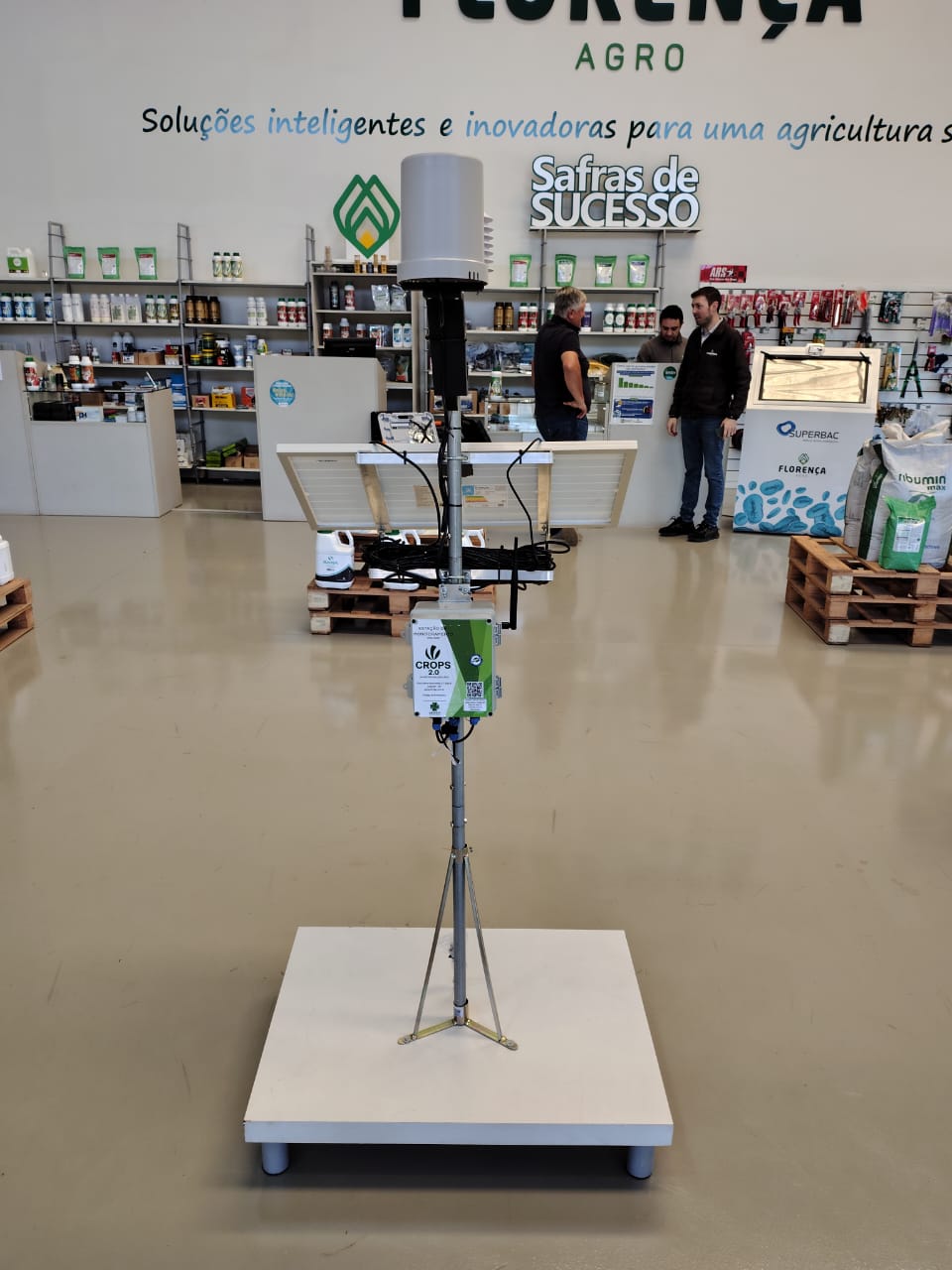
Stations measure key variables (temperature, RH, rain, leaf wetness, wind and dew point) and send them via
LoRa to the cloud in real time, where the models are processed.
Grapevine downy mildew
The initial focus
Downy mildew (Plasmopara viticola) thrives under specific combinations of
humidity + temperature + leaf wetness. Crops tracks infection windows across the
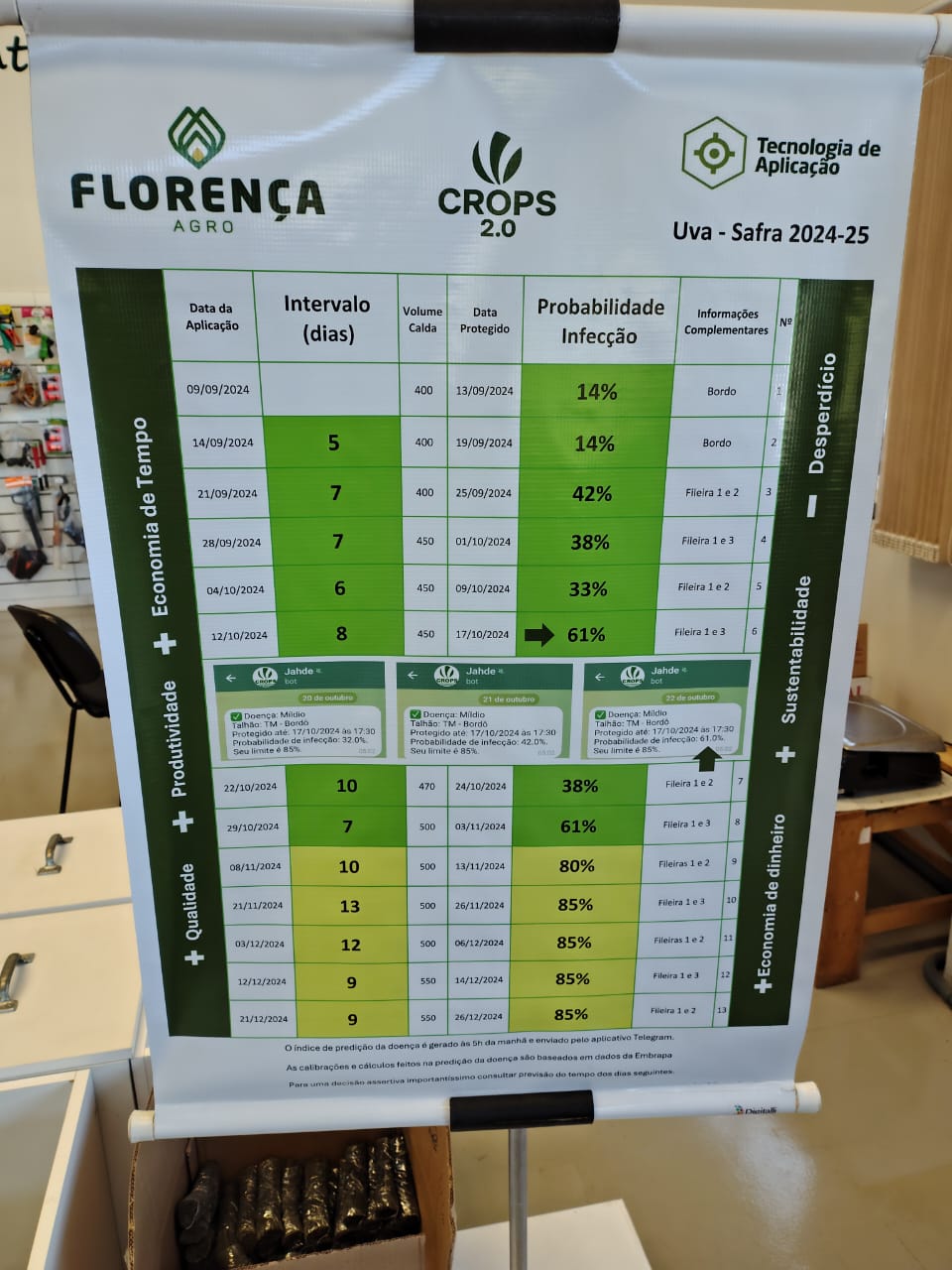
pathogen life cycle, generating a risk index and preventive alerts
to support spraying at the right time — reducing cost and environmental impact.
Validation in the field
Measured results
Models have been tested in commercial areas across RS, PR, SC, MG, DF and GO, comparing
risk windows against field observations and rain/wetness records.
Each season we refine thresholds and accumulations, improving accuracy and precision.
Predictive models
Daily risk index
Integrates hourly variables (T, RH, rain, wetness) with accumulations and windows.
Shows Low / Moderate / High risk and trend (↗/↘).
Powdery mildew (testing)
Favorable conditions
Evaluates thermal ranges and critical dry/wet periods for Erysiphe necator,
suggesting scouting windows.
Glomerella (testing)
Persistent humidity
Considers rain, wetness and temperature to estimate Colletotrichum (Glomerella) risk,
especially during continuous humidity periods.